Pular para o conteúdo principal
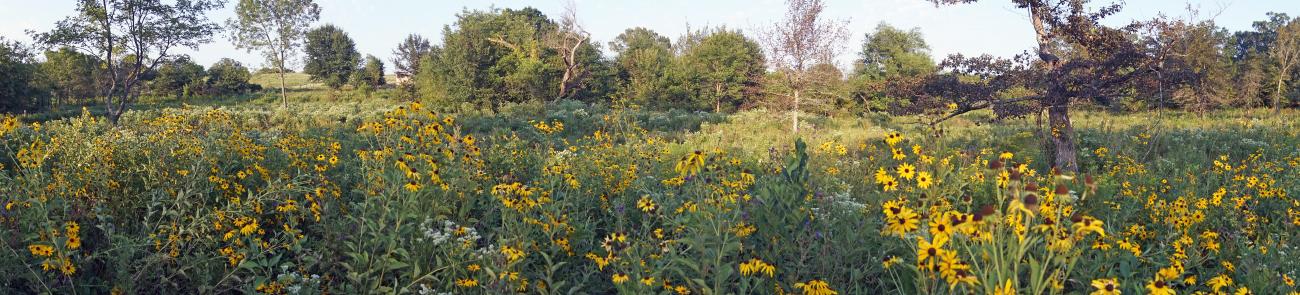
Indigenous Peoples, our other-than-human relatives, and grassland ecosystems have lived together in harmony and mutual flourishing for thousands of years. Grasslands evolved through interconnected social-ecological processes and knowledge systems enacted by Indigenous Peoples in close relationships with Mother Earth.

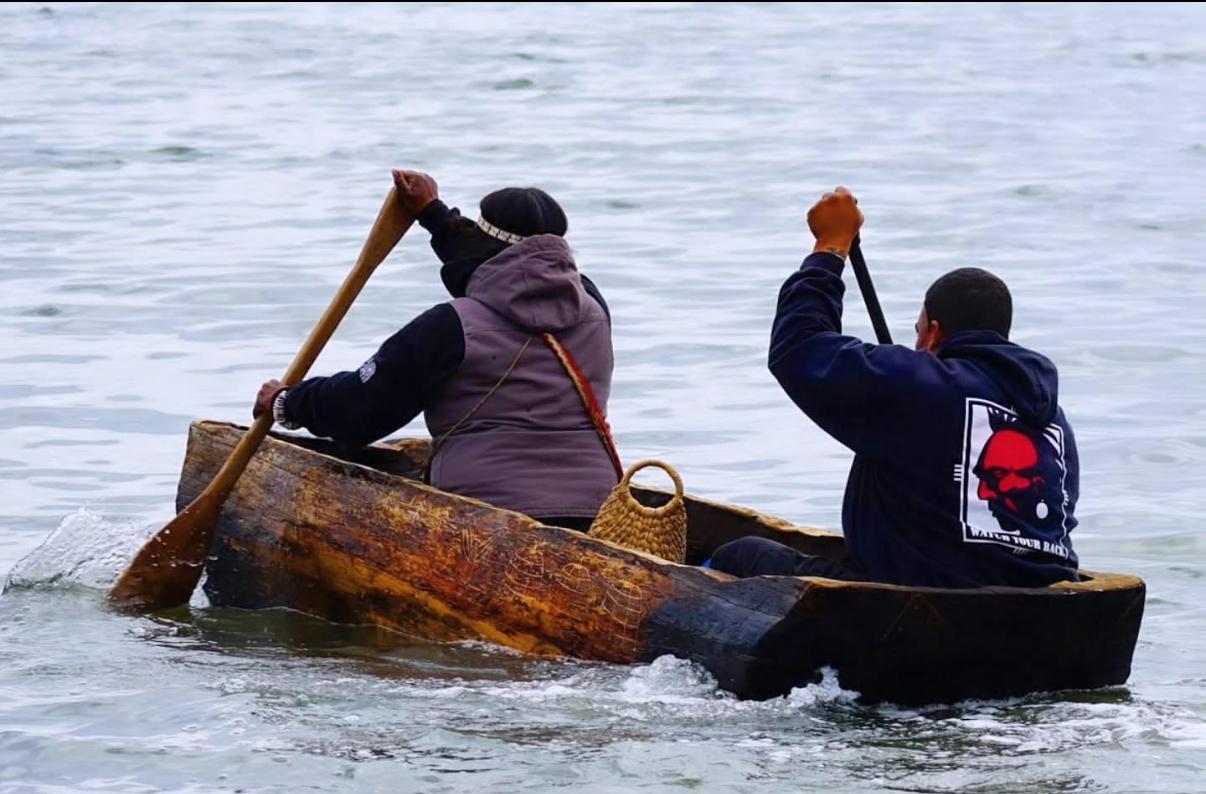
 

The waterways of Long Island and the neighboring estuaries have always carried more than water; they carry story, ceremony, and kinship. For the Indigenous Peoples of this island—Shinnecock, Unkechaug, Matinecock, Setalcott, Montaukett, and our relatives—the mishoon (dugout canoe) has long been a vessel of connection. It bridges not only waters, but generations, teachings, and the living memory of our ancestors.


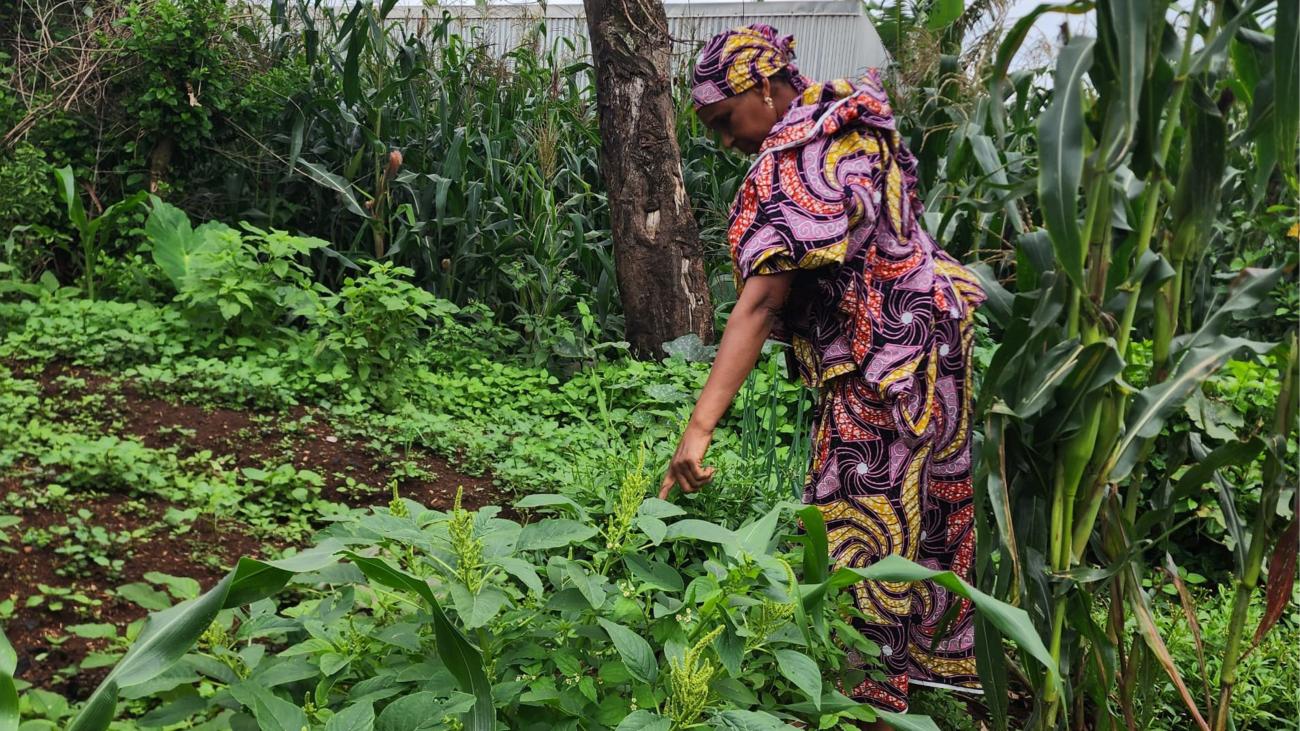
In the rolling hills of Ntahbang, a small Indigenous Mbororo Fulani community in Bamenda, Cameroon, something extraordinary is taking root. Where hardship, displacement, shrinking grazing lands, polluted water sources, and the confiscation of Indigenous lands for so-called development projects once defined daily life alongside hunger, malnutrition, and declining soil fertility, the Mbororo women of Ntahbang are now cultivating hope. Through their commitment to building a healthy and sustainable food system, they are working to secure food sovereignty for their community.


We live in a time when the challenges to having any reasonable expectation of a positive future are piling up against us rapidly. The climate is destabilizing. The few surviving remnants of native land. We’re in an extinction event that already threatens a quarter of the plant and animal species on Earth. For our own species, chronic lifestyle-related illnesses are a growing epidemic. In the U.S., average life expectancy is shrinking while wealth disparity is soaring. These and other challenges are beginning to compound in ways that can seem almost ridiculous.


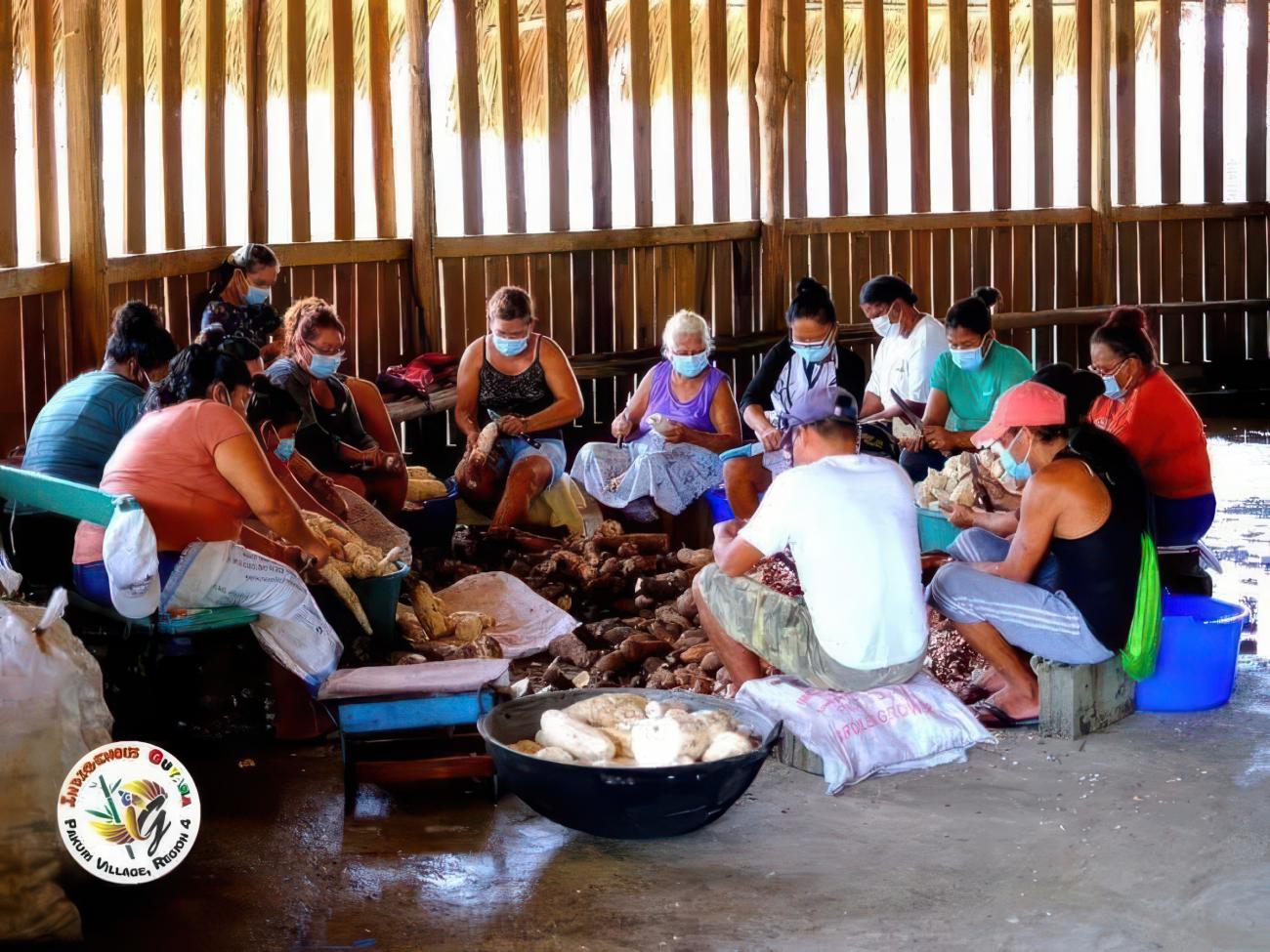
Cassava is one of the last living rituals of  Lokono womanhood. More than food, it is a sacred practice, planted, prepared, and passed down by women as an act of memory, survival, and cultural continuity. The act of peeling, grating, and baking cassava bread is a form of cultural prayer, a tangible bridge that links the hands of women across generations.


He wā kupaianaha kēia, ua piha ʻo Hōkūleʻa he kanalima makahiki ma Malaki nei.  ʻO Hōkūleʻa ka waʻakaulua holomoana nui mua i loko o ʻeono hāneli a ʻoi makahiki.  Ma ka holomoana mua ma ka makahiki kanahikukumaono, ua wehe ia nā ala kai o nā kūpuna o ka Moananuiākea, a ua hoʻopili hou ʻia mākou. ʻO ka Moananuiākea, he ala hoʻopili, ʻaʻole ia he kōā hoʻokaʻawale. Ma ia holo mua ua hoʻōia pū ka hoʻokele ʻia o ka moana e ko mākou kūpuna, e hōʻole ʻana i ka manaʻo e ko waho no ka hōʻea ʻo mākou i nā moku o ka moana ma ka ʻulia.


This year, 2025, Hawaiʻi’s first deep-sea voyaging canoe in over 600 years celebrates its 50th anniversary, a momentous time in Hawaiʻi history. Hōkūleʻaʻs maiden voyage in 1976 reclaimed the ancestral pathways of our Oceanic Peoples and reconnected us through voyaging traditions, proving that our ancestors purposefully navigated the Pacific Ocean and resetting the understanding that the ocean connects us.