By Byron Tenesaca (Kañari Kichwa, CS Staff)
In West Kalimantan, Indonesia, the Dayak Simpakng people rely heavily on the rainforests, not just for food and healing but also to remain rooted in their identity. Central to their way of life is “Ba Uma Ba Taunt,” the traditional farming system that embodies a balance between people, land, and forest. Yet, industrial plantations and deforestation are rapidly transforming their ancestral lands, placing at risk the oral traditions that once carried essential knowledge about nutrition and living in harmony with nature.
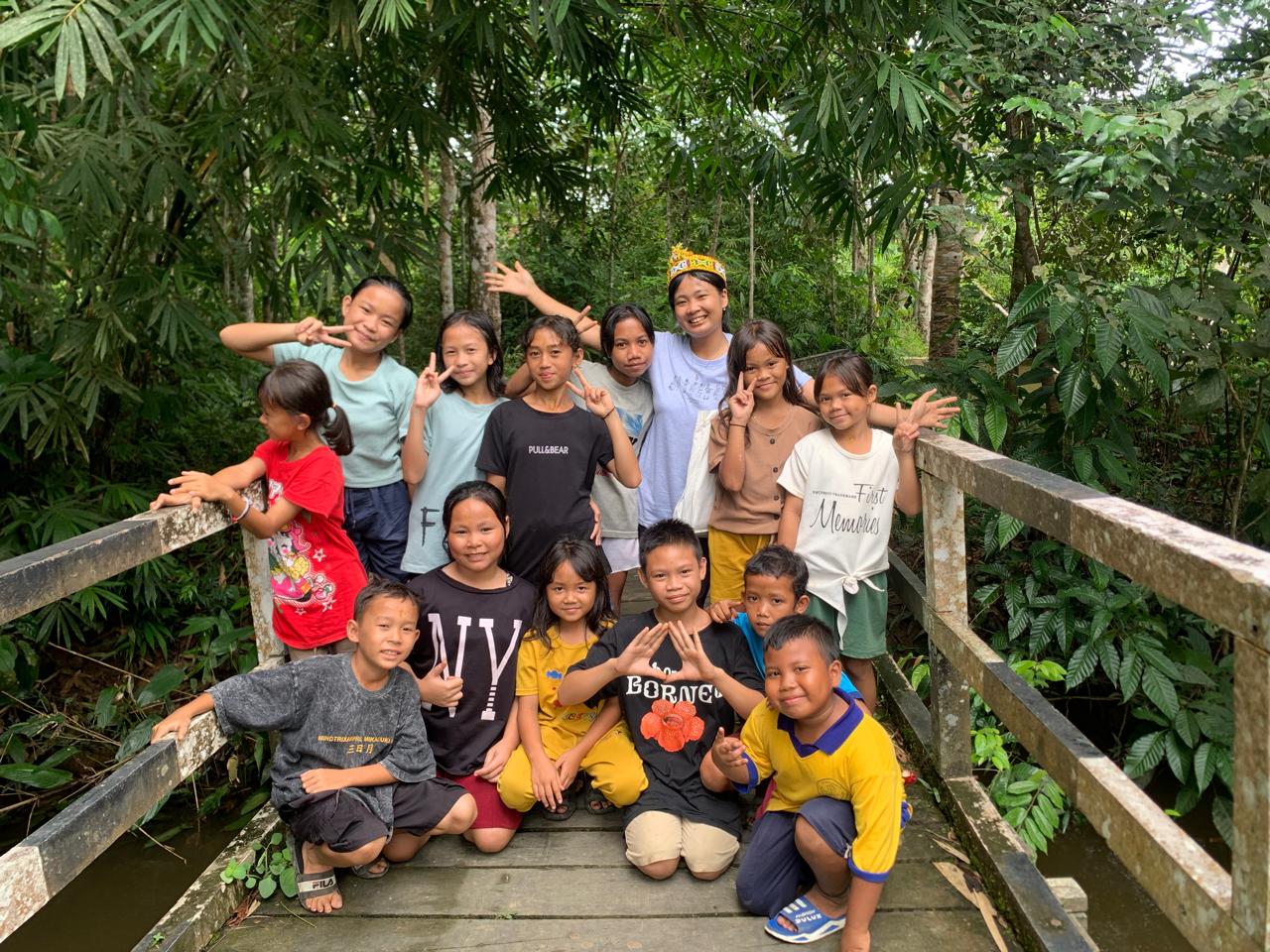
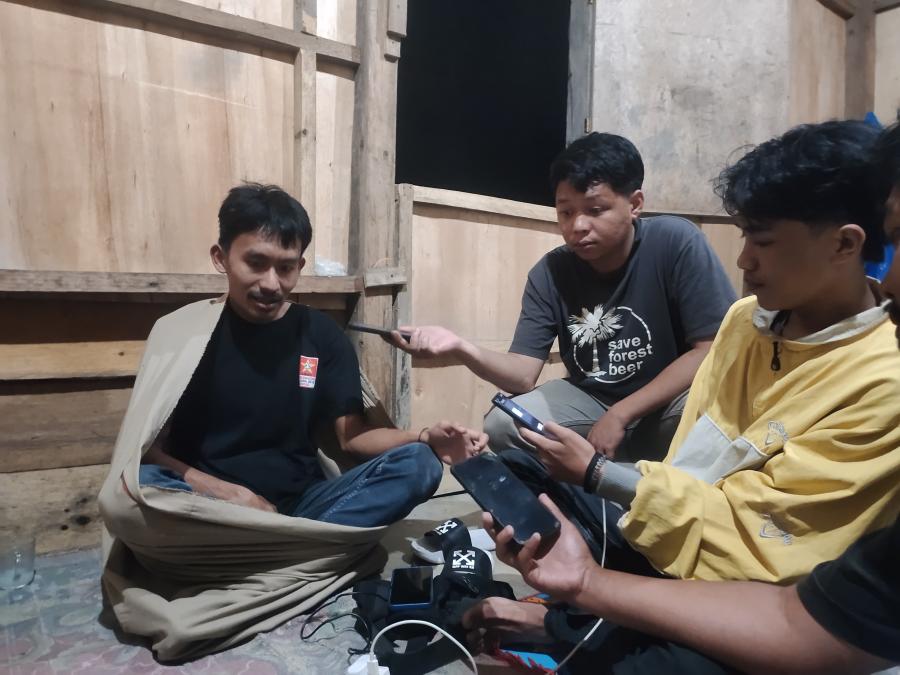
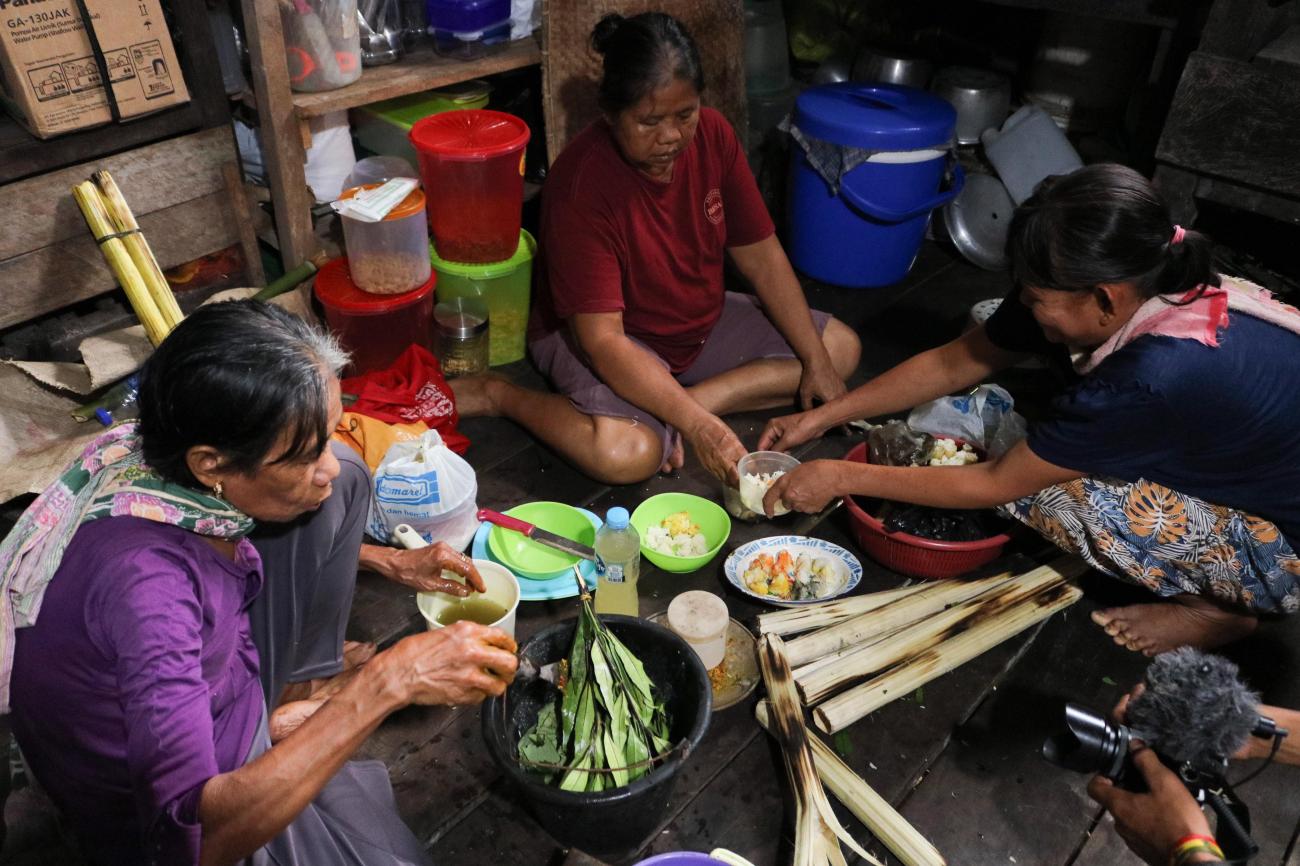
Florentina Sri Dewi Wulandari (Dayak Simpakng), a rising voice and part of the 2023 Cultural Survival Youth Fellowship cohort, tacked this shift head-on through her project, “Revitalizing the Dayak Simpakng Language through the Archiving of Traditional Knowledge.” Her work connects Elders with younger members to ensure that the language stays alive, alongside the environmental insights woven into its words. For the Dayak Simpakng, each word encodes guidance for sowing, harvesting, predicting the rains, and honoring the land. By documenting spoken stories and everyday vocabulary, Dewi and her team are protecting their heritage and food sovereignty. As she explains, “When the language disappears, the knowledge of how to live with the forest also disappears.” Her team recorded Elders sharing oral traditions and produced a documentary on Batatulak, an annual ceremony honoring nature's gifts and new beginnings. They also compiled a book of stories, vocabulary, and local wisdom, much of which is linked to traditional food and green practices. Through this joint effort, the Elders shared life lessons, while younger participants gained skills in filming, interpreting, and writing, fostering stronger roots and a sense of responsibility. Dewi’s work demonstrates that saving languages can bolster efforts to protect nature; when youth learn old plant terms and sayings, they also absorb values such as caution, responsibility, and a deep respect for the land. Reviving these ecology-related words is essential to sustaining food sovereignty amid environmental change.
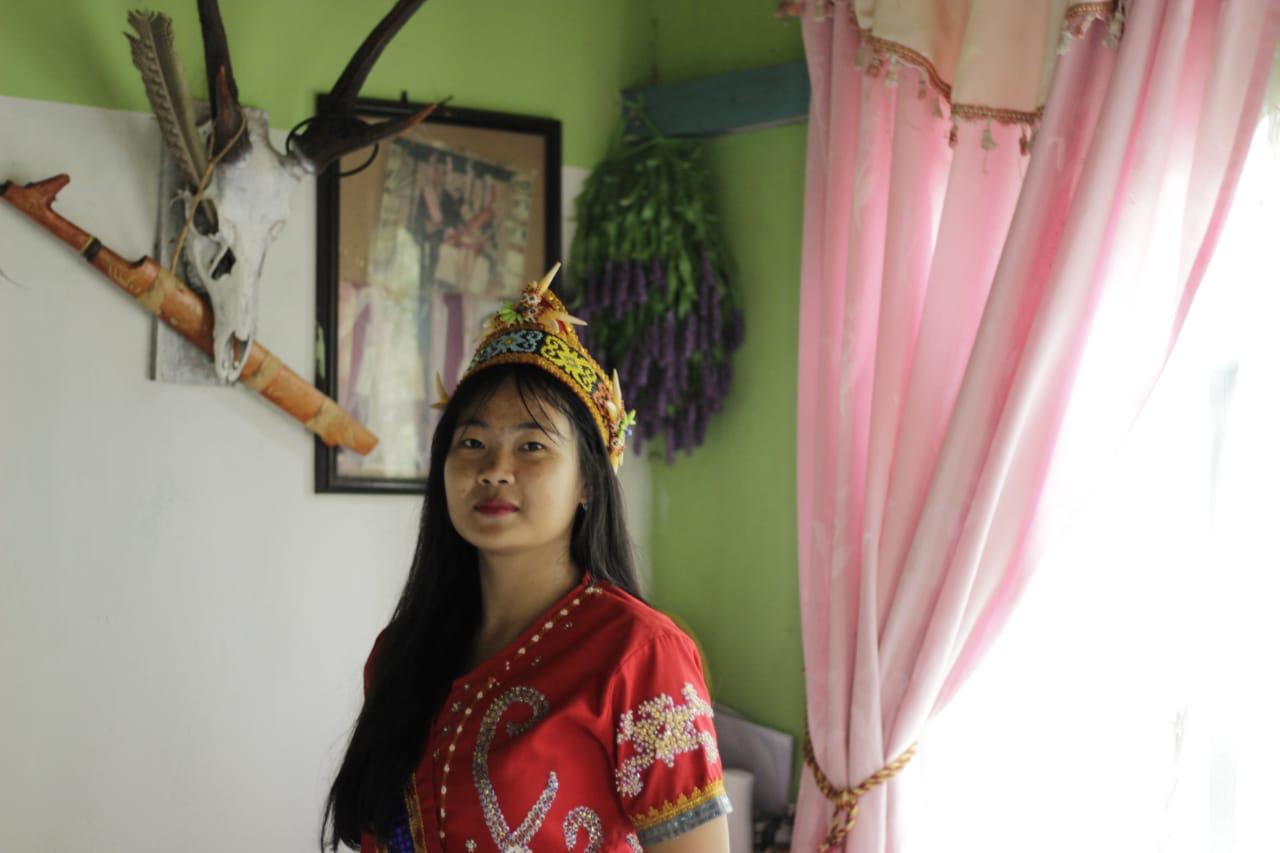
The ways of life of the Dayak Simpakng people, including food preparation, rituals, and traditional stories, are deeply intertwined with principles of sustainability and ancestral wisdom. Through their rituals, the community learns that every part of nature (leaves, stones, timber, and whatever sprouts deep within the woods) has its own soul and deserves respect. Such beliefs nurture peace among people and trees. The forest continues to provide traditional medicine, food, clean water, fresh air, and materials for weaving and daily needs. Through this reciprocity, the Dayak Simpakng understand that caring for nature means caring for themselves. Moreover, ancestral knowledge helps them observe signs in nature (such as bird songs, insect movements, and animal behavior) to determine when to plant crops, anticipate storms, and identify dangers. This harmonious connection between humans and the natural world lies at the heart of Dayak Simpakng's sustainability: living alongside the forest, protecting it, and gaining wisdom in return.
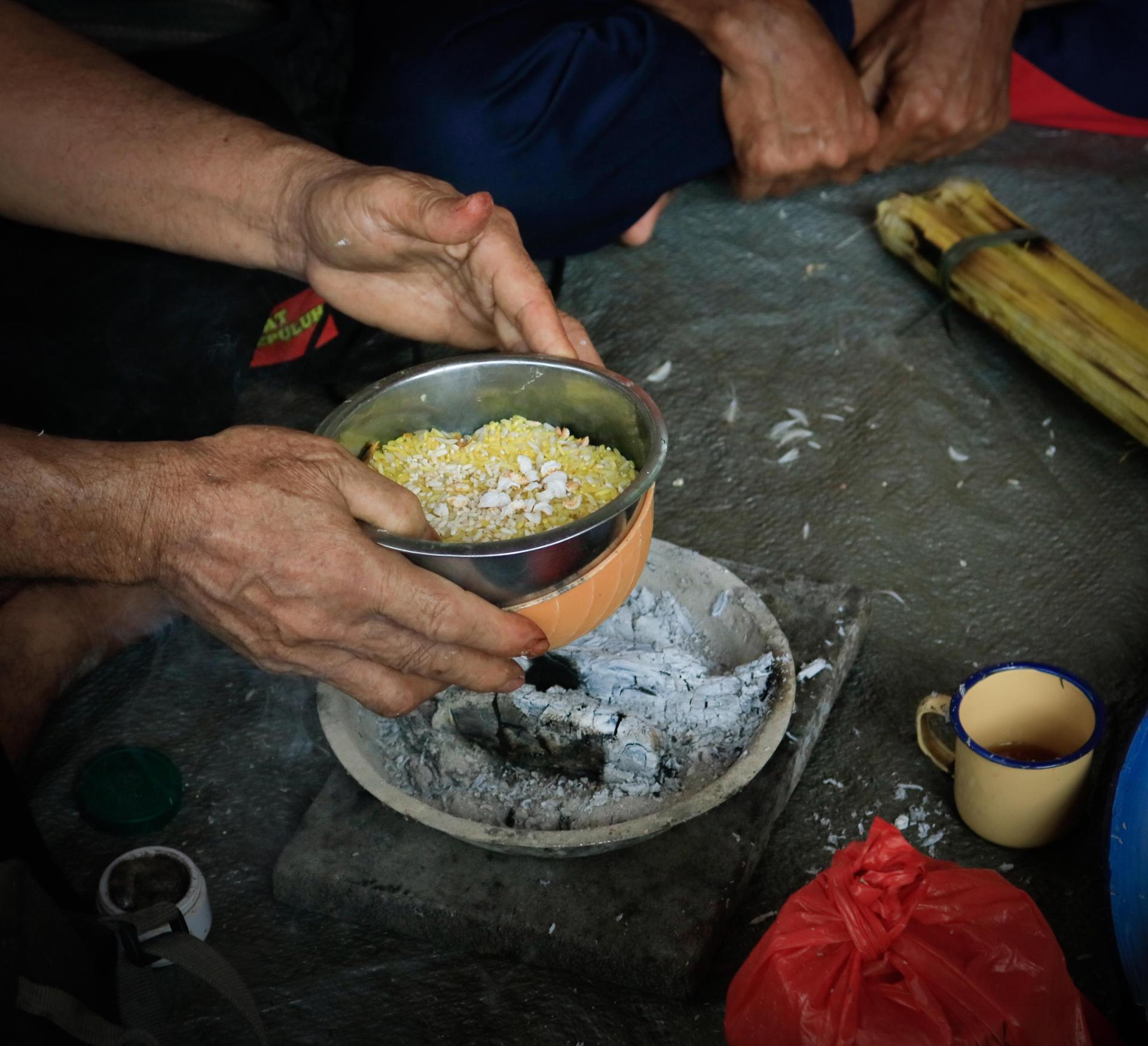
Nowadays, external forces continue to challenge the Dayak Simpakng’s connection to their territory and food, despite ongoing revitalization efforts. The forest ecosystem that supports their livelihoods is being eroded by expanding palm oil plantations, mining operations, and migration. Large swathes of heritage land are being cleared or taken over for monoculture agriculture, usually without consulting the people who belong there. The traditional Ba Uma Ba Taunt farming system is fading, being replaced by factory-style harvests that degrade the soil and eliminate biodiversity. As the forest disappears, so too does a vast body of traditional knowledge: medicinal plants, wild vegetables, spices, and weaving materials that once sustained both health and culture are vanishing. The shrinking forests have disrupted the nature-based signals that the community relied on for its ways of life. Community practices of Gotong Royong (collective work) in the forest, a vital tradition that strengthened social bonds, are also fading. Economically, many families now face hardship. Where they once relied on the forest for free food, clean water, and materials, they must now work for wages and live more individually, weakening the communal spirit that once defined Dayak life. Younger generations are increasingly drawn to urban centers, where traditional diets, values, and languages are often lost. According to Dewi, Elders, however, still hold extensive knowledge of medicinal plants, seed varieties, and ecological cycles, but nobody writes it down much. Her effort tackles this urgent gap, making cultural preservation an act of resistance and resilience.
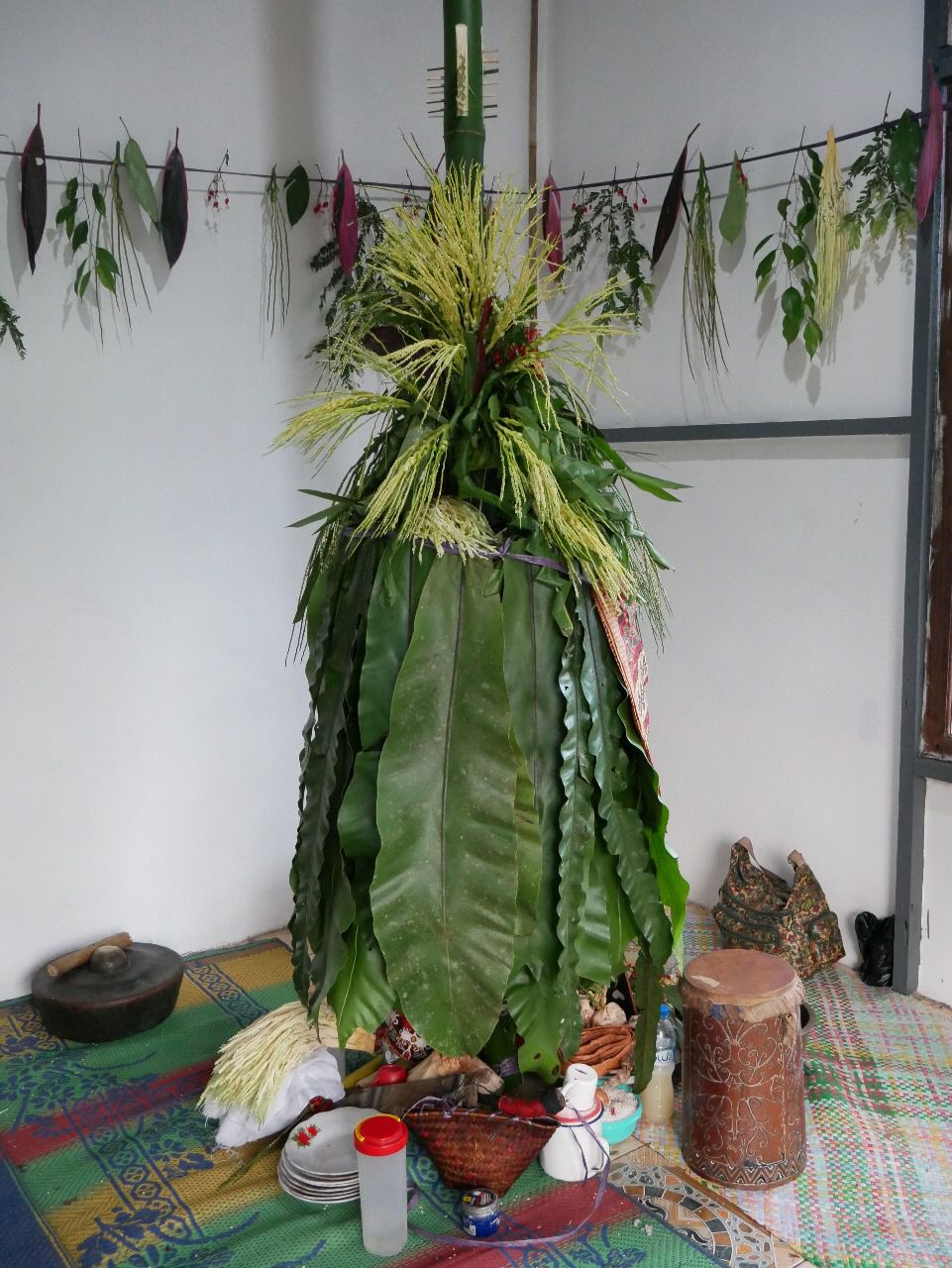
Dewi hopes to expand her efforts into an accessible online platform for referencing traditional recipes and names of medicinal plants in the Dayak Simpakng language. These digital resources aim to strengthen cultural continuity and guide communities in caring for their land and food systems. “Our young people are learning that caring for culture also means caring for the land that feeds us,” she says. For the Dayak Simpakng, reclaiming the future begins with remembering how things were named, grown, and shared. By transforming ancestral wisdom into accessible formats, Dewi and her team turn memory into resilience, revitalizing language, land, and life itself. As one youth expressed, “When we speak our language and learn the names of our forest foods, we remember who we are. The forest speaks back to us.”