
By Zuhira Musa (Fulani, CS Intern)
A recent report from the Violence Policy Center (VPC), “American Indian/Alaska Native Victims of Lethal Firearm Violence in the United States,” published in December 2025, provides a stark assessment of the disproportionate impact of gun violence on Native American and Alaska Native communities. Drawing on 2023 mortality data from the Centers for Disease Control and Prevention (CDC) and the Federal Bureau of Investigation (FBI), the report documents the scale, trends, and persistent disparities of firearm deaths in these populations, highlighting an ongoing crisis that continues to demand urgent attention from policymakers, community leaders, and advocates.
In 2023, the report identifies 553 gun deaths among Native American and Alaska Native individuals, including 246 homicides and 260 suicides. While firearm deaths slightly decreased in 2023 following a period of rising rates between 2018 and 2022, overall levels remain alarmingly high. Men are disproportionately affected: they constitute 78.5% of homicide victims, 79.3% of firearm homicide victims, nearly three-quarters of suicide victims, and more than 85% of firearm suicide victims. These gender disparities underscore the distinct vulnerabilities men face in these communities, while also pointing to broader patterns that persist over multiple years.
Racial disparities are a central focus of the report’s findings. Since 2018, Native American and Alaska Native individuals have experienced the second-highest rates of homicide and firearm homicide nationally, behind only Black Americans. In 2023, Native American and Alaska Native people were twice as likely as white individuals to die from homicide or firearm homicide. Suicide follows a similar trend: both overall and firearm suicide rates among Native American and Alaska Native populations are the second highest in the nation, with only white Americans having higher rates. These statistics reveal an outsized risk for Native American and Alaska Native communities, reflecting long-standing social, economic, and structural inequities that contribute to the elevated rates of lethal violence.
The VPC emphasizes that these statistics reflect far more than numbers; they signal a persistent crisis that disproportionately affects Native American and Alaska Native individuals, families, and Tribal Nations. Despite the severity, public awareness and policy responses have historically lagged, leaving communities to contend with high rates of lethal violence with limited resources or support. According to VPC Executive Director Josh Sugarmann:
“The American Indian/Alaska Native population faces a continuing crisis of lethal gun violence that outside of impacted communities rarely receives the attention it demands. The goal of this annual report is to support the efforts of advocates, organizations, and policymakers as they work to reduce gun violence in this community.”
A key concern highlighted in the report is the likely undercounting of Native American and Alaska Native women killed by firearms. This undercount is closely tied to the crisis of Missing and Murdered Indigenous Women and Girls (MMIWG), in which many deaths are unreported or misclassified. Historically, Native American and Alaska Native women have experienced the second-highest rates of female victims killed by men since 2015. The combination of long-term trends and underreporting indicates that the accurate scale of firearm-related deaths among Native American and Alaska Native women is likely far higher than reflected in official statistics.

The report also addresses systemic challenges in data collection, particularly racial misclassification. Native American and Alaska Native individuals are frequently misidentified as belonging to other racial groups in mortality records, which obscures the accurate scale of violence and complicates efforts to develop targeted interventions. Accurate, community-specific data is essential for informing effective prevention strategies, developing culturally grounded public health approaches, and creating policies that reflect the realities of Tribal communities.
Native American and Alaska Native communities face distinct historical, social, and economic challenges that contribute to elevated rates of gun violence. Persistent homicide and suicide rates are closely linked to broader systemic issues, including limited access to resources, geographic isolation, inadequate health care, and intergenerational trauma. While the VPC report primarily focuses on quantitative data, it implicitly situates firearm deaths within the broader social context that shapes safety and well-being in these communities.
Connecting data with advocacy is a recurring theme in the report. By providing annual updates, the VPC equips Indigenous leaders, Tribal governments, community organizations, and public health practitioners with timely information to strengthen education, prevention, and policy efforts. The report is not only a research resource but also a practical tool to support evidence-based interventions and to guide strategies that address the root causes of lethal violence in Native American and Alaska Native communities.
Although 2023 shows a slight decline in firearm deaths, the report cautions against interpreting this as a long-term trend. The minor reduction follows several years of significant increases, making it unclear whether this decrease represents a sustained shift or merely a temporary fluctuation. Overall levels of gun violence remain far higher than those recorded prior to 2018, reinforcing the need for continued vigilance, prevention, and intervention efforts.
Homicide data highlight the disproportionate burden on Native American and Alaska Native communities relative to other racial groups. Ranking second in both overall homicide and firearm homicide rates, Native American and Alaska Native individuals are consistently twice as likely as white individuals to be killed by firearms. These disparities reflect the ongoing impact of gun violence on Tribal Nations, affecting family safety, community cohesion, and long-term social well-being.
Suicide represents another critical dimension of this crisis. The report shows particularly high suicide rates among Native American and Alaska Native men, pointing to challenges related to mental health, access to culturally appropriate care, and the availability of lethal means. Firearms account for a significant proportion of these deaths, emphasizing the urgency of culturally informed suicide prevention programs tailored to Native American and Alaska Native communities.
The VPC report underscores the importance of improving systems of reporting and racial classification. Misclassification and underreporting, particularly in the context of MMIWG, mean that current statistics likely underestimate the true scale of gun deaths among Native American and Alaska Native populations. Correcting these systemic deficiencies is crucial for accurately representing the magnitude of the problem, guiding public health interventions, and enabling stakeholders to craft effective, community-driven solutions.
Patterns identified in the report demonstrate that gun violence in Native American and Alaska Native communities cannot be understood in isolation from broader social and structural factors. Elevated homicide and suicide rates reflect historical marginalization, economic disadvantage, limited access to health and social services, and the enduring effects of trauma across generations. By providing clear statistical evidence, the VPC supports a broader understanding of these challenges and informs conversations around prevention and safety that are rooted in lived experiences.
The report also highlights the value of consistent, annual data collection. By publishing these findings regularly, the VPC creates a mechanism for accountability and informed action, helping communities track progress and identify gaps in intervention strategies. This continuity supports Indigenous leaders, policymakers, and public health experts in implementing targeted, evidence-based approaches to reduce lethal violence and improve community resilience.
In addition to providing data, the VPC emphasizes the need for culturally grounded approaches. Interventions that consider Native American and Alaska Native social norms, community structures, and historical experiences are more likely to succeed in preventing firearm deaths. This approach recognizes the importance of engaging Tribal leaders, community organizations, and public health professionals in strategies that are tailored to the unique realities of Native American and Alaska Native populations.
The report makes clear that addressing lethal gun violence requires a multifaceted approach. Efforts must combine improved data collection, targeted prevention, community engagement, and policy action. Structural inequities, social determinants of health, and historical trauma all contribute to heightened risk, and effective solutions must be holistic and culturally informed.
“American Indian/Alaska Native Victims of Lethal Firearm Violence in the United States” presents a comprehensive overview of an urgent public health and social crisis. Native American and Alaska Native communities face persistently high rates of homicide and suicide, gender-specific vulnerabilities, systemic undercounting of deaths, and ongoing challenges related to racial misclassification. These factors collectively underscore the need for targeted policy responses, culturally grounded public health strategies, and sustained advocacy to protect the safety and well-being of Indígenous individuals and communities.
The report’s findings are both a call to action and a foundation for intervention. By documenting disparities and highlighting systemic issues, the VPC provides a resource for stakeholders seeking to address firearm violence effectively. The report reinforces that lethal gun violence in Native American and Alaska Native communities is not only a persistent public health crisis but also a symptom of broader social inequities that require sustained, culturally informed, and community-driven solutions.
The VPC’s report illustrates that Native American and Alaska Native populations continue to bear an outsized burden of gun-related deaths. Homicide and suicide rates remain among the highest nationally, with men disproportionately affected and women’s deaths likely undercounted. Misclassification in mortality data and the ongoing crisis of missing and murdered Indigenous women further complicate the accurate assessment of firearm deaths. These findings emphasize the importance of improved data collection, culturally grounded interventions, and community-focused advocacy. By providing this evidence, the VPC aims to support policymakers, public health practitioners, and Indigenous leaders in advancing strategies that reduce lethal gun violence, promote safety, and strengthen the resilience of Native American and Alaska Native communities. The report underscores that addressing this crisis requires national visibility, policy commitment, and sustained action at the community level to ensure that these deaths are neither ignored nor repeated.
For more information, read the full report here: https://vpc.org/wp-content/uploads/2025/12/AIAN2025.pdf
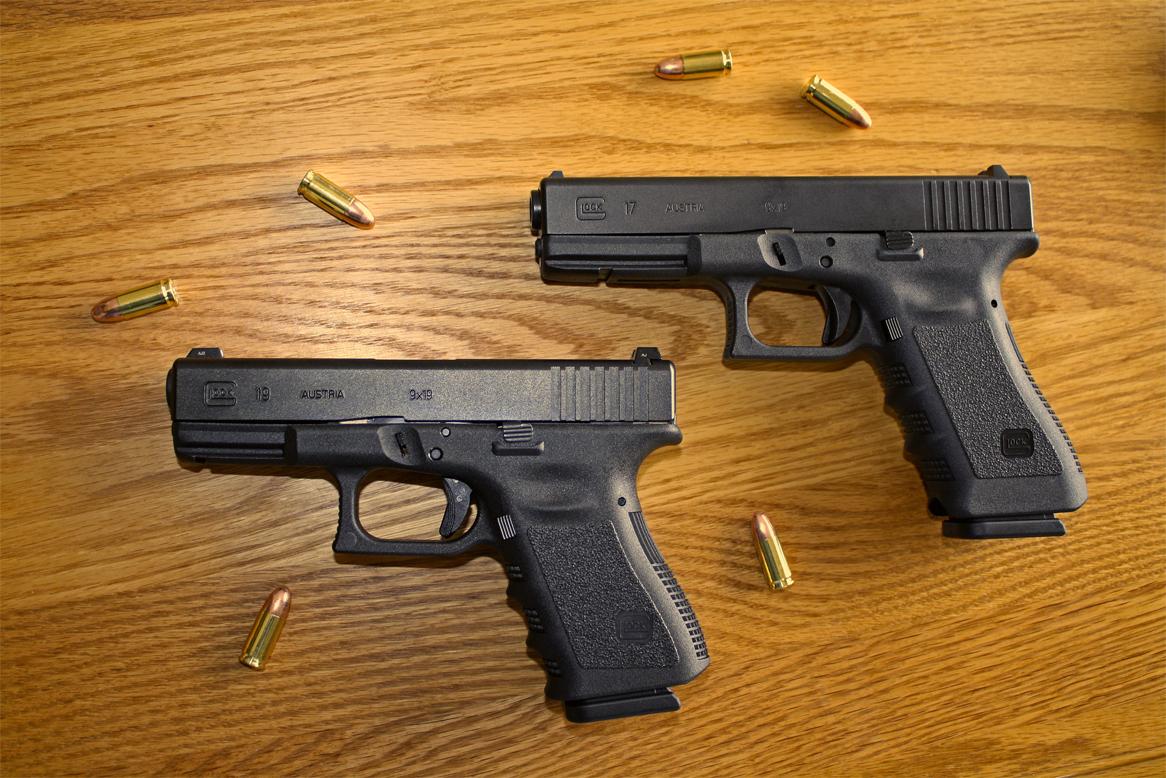
Photo by Stan Weber.