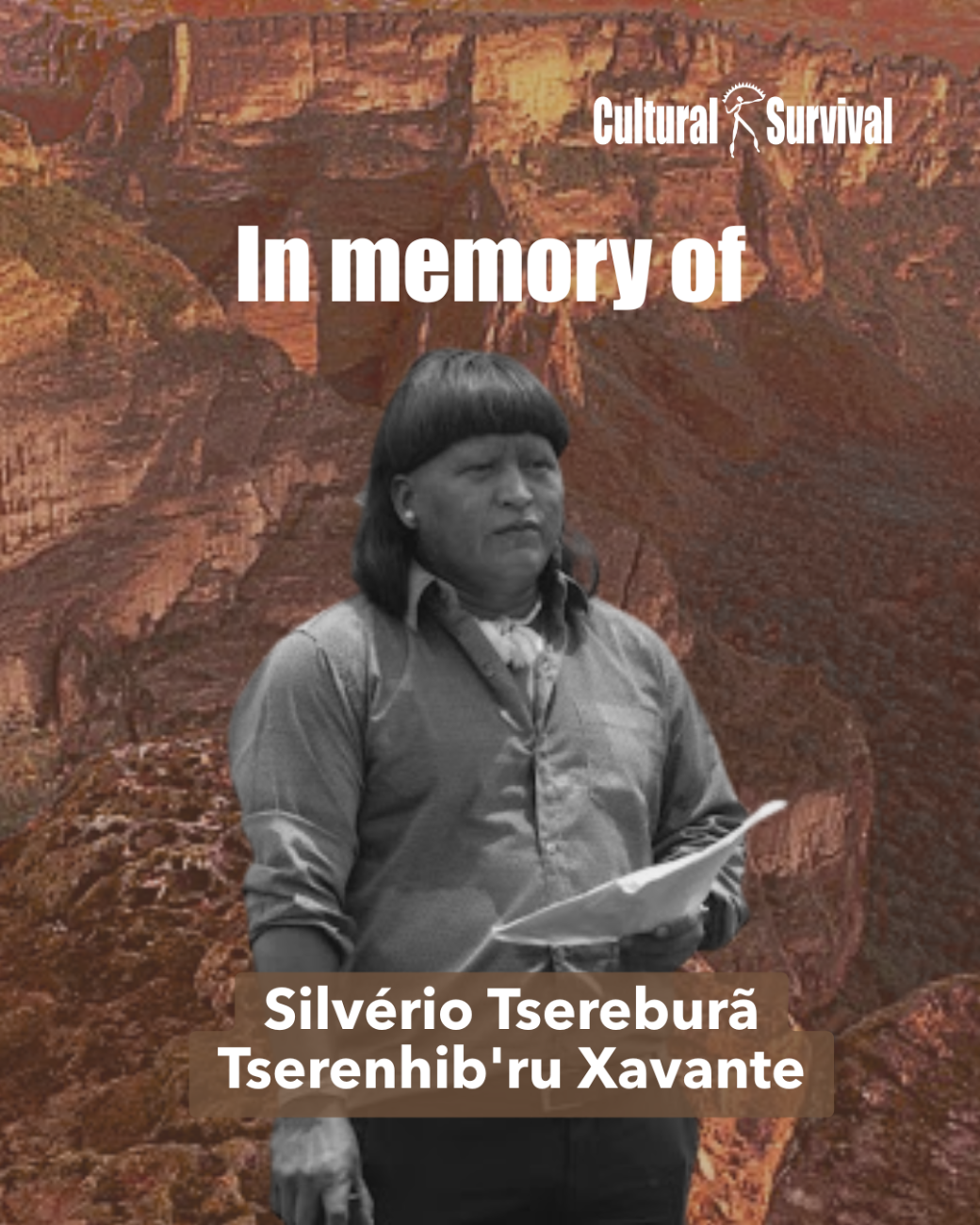
Silvério Tsereburã Tserenhib’ru Xavante
July 11, 1988 - December 3, 2025
Areões Indigenous Land
It is with great sadness that Cultural Survival reports the passing of A’uwẽ leader, Silverio Tsereburã Tserenhib’ru Xavante (July 11, 1988 - December 3, 2025).
“We don’t want the railroad!” Silvério Tsereburã addressed these final words to Brazilian state officials, representatives of the INFRA Inc. railroad construction company, and other organizations in a meeting just hours before his death. Silvério Tsereburã and other A’uwẽ (Xavante) leaders from Areões Indigenous Land stood firm in their resolve to resist the Brazilian state’s project to construct the Central-West Integration Railroad (FICO, Ferrovia de Integração Centro-Oeste) through A’uwẽ territory in eastern Mato Grosso state.
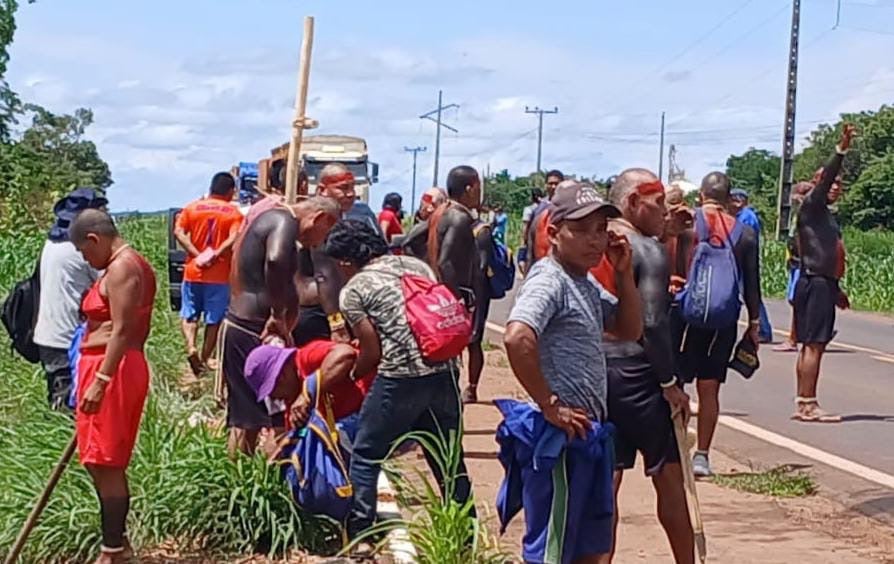
An outspoken critic of the railroad, Silvério Tsereburã served as Secretary for Indigenous Affairs for the town of Nova Nazaré, close to the point where – just to the east of A’uwẽ lands on the eastern bank of the Rio das Mortes -- railroad construction is now stalled. It was no secret that he and the mayor maintained opposing positions to the railroad. When the accident occurred, Silvério Tsereburã was driving a Fiat Uno owned by the municipality, which had been retrieved from the mechanic’s shop before the tragedy. He was returning to Areões on the dangerous BR-158 highway when his car collided with a semi-truck, possibly carrying soy. Silvério Tsereburã now becomes one more Indigenous victim of the area’s soy-agribusiness. Fatal accidents with semis, heavily laden with agricultural produce, have become common on BR-158 and other highways in A’uwẽ lands. Silvério Tsereburã had just noted this tragic fact in his last speech to officials. He asked them:
How many people have died on the highways?
How many people have been run over,
and discarded like animals?
Have you counted?
Silvério Tsereburã participated in the Free Land Camp in Brasília (ATL), a major annual mobilization where Indigenous peoples gather in the nation’s capital to demand their rights to land rights and advocate for the demarcation of Indigenous territories, and the III Women's March. He was a vocal opponent to the FICO railway and also to small hydroelectric dams planned along the Rio das Mortes, which is sacred to A’uwẽ and borders their lands. In April 2024, with Cultural Survival support, Silvério Tsereburã participated in a Project Access training session for Indigenous leaders and attended the 2024 UNPFII. He and other A’uwẽ articulated their opposition to FICO. And asserted their rights to Free, Prior and Informed Consent (FPIC). This experience was fundamental to Silvério Tsereburã ‘s understanding of FPIC and his leadership.
Cultural Survival grieves alongside A’uwẽ over the loss of this important leader. We stand alongside A’uwẽ and support their efforts to protect A’uwẽ lands and livelihoods in the face of the FICO and other infrastructure projects in their lands.
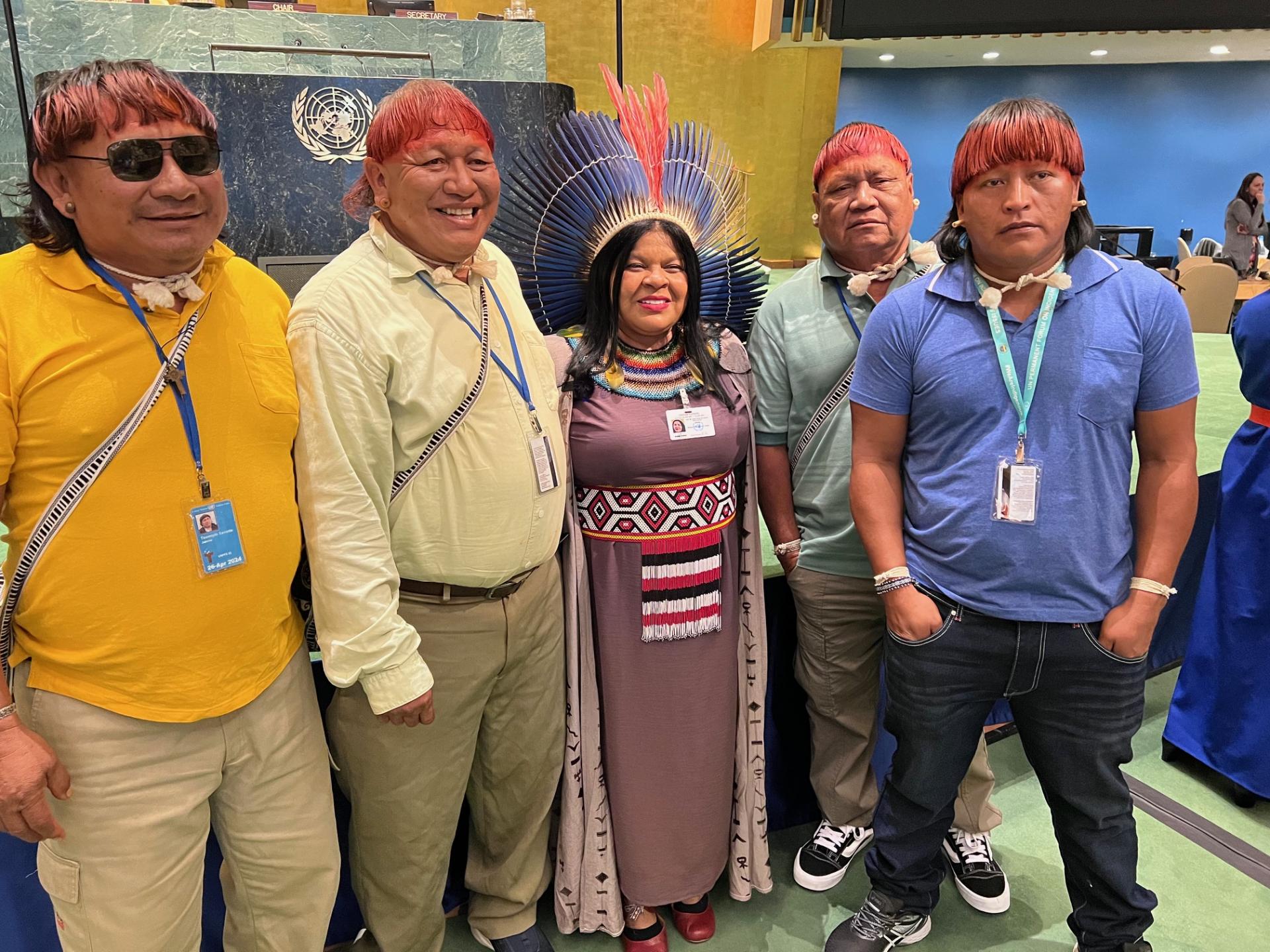
Silverio Tsereburã Tserenhib’ru Xavante (far right) at the UN Permanent Forum on Indigenous Issues with fellow Xavante delegates and Sonia Guajajara, Brazil’s first Minister of Indigenous Peoples in April 2025.