By Sandra Pelaez (CS intern) and Alison Guzman (CS Staff)
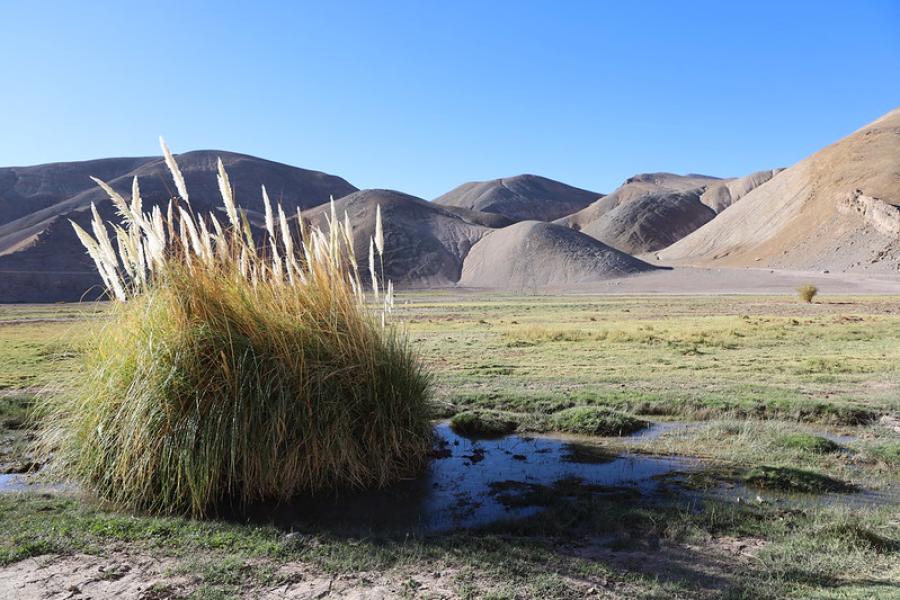
Lake Budi—located in the coastal area of the Araucanía region in Chile—is a coastal wetland in the Lafkenche territory of Wallmapu, of vital cultural and environmental importance to the Mapuche communities. This lake covers approximately 56.2 km². Until recently, Lake Budi was home to immense forests of lingues, olivillos, oaks, and laurels, of which some remnants still persist, protected by the local communities. Cattails, rushes, and other semi-aquatic plants typical of brackish coastal wetlands form the habitat for a diversity of local and migratory species: notable species include the black-necked swan, the coscoroba swan, herons, wild ducks, cormorants, coots, and more than a hundred other bird species, as well as amphibians, mammals, and rich fisheries of mullet, sea bass, and the endemic huaiquil (a type of croaker).
When it comes to fauna, the lake and its wetlands are a refuge for rich birdlife: notable species include the black-necked swan, the coscoroba swan, herons, wild ducks, cormorants, coots, and other waterfowl that find in this ecosystem an ideal habitat for nesting, feeding, or sheltering. This mosaic of riparian flora, wetlands, and fauna, migratory and resident birds, fish, and native vegetation makes Lake Budi a reservoir of biodiversity of great ecological, cultural, and conservation value, while also constituting a vital space for the life, identity, and practices of the Mapuche-Lafkenche communities that inhabit it.
La Asociación Ambiental Budi Anumka is a Mapuche organization in the Lafkenche area of Wallmapu, which brings together three Mapuche-Lafkenche communities around Lake Budi: Malalhue-Chanko, Allipen, and Llaguepulli. Born from community efforts in 2019 to recover and safeguard traditional land management practices, Budi Anumka has become a leading example of ecological restoration and cultural strengthening in the territory. Its main objective is to "restore the introfill monguen" (a Mapuche concept referring to biodiversity) through the coordinated action of Indigenous communities, always using their voices to reflect the strength and freedom of their communities. Therefore, Budi Anumka constantly collaborates on research, education, and socio-environmental and economic management activities to strengthen its Community Network of Nurseries and Restoration model. This model involves not only community members but also a strong network of allies and advisors committed to Budi Anumka's objective.
The community recognized the importance of creating its own space where its knowledge could be kept alive, protected, and accessible. Since 2021, the communities have worked on creating and managing a community archive that houses their traditional knowledge. More than just a repository, the archive seeks to preserve and revitalize this knowledge so that it remains meaningful and useful to the community, especially to younger generations who will face the environmental and cultural challenges of the future. This is a response to various threats the community faces, resulting in the loss of their territory, people, and way of life, as well as the loss of speakers of Mapudungun, the ancestral Mapuche language, and cultural leaders and traditional knowledge. However, it was also necessary to consider ways to address the challenges that impact the transmission of culture to younger generations.
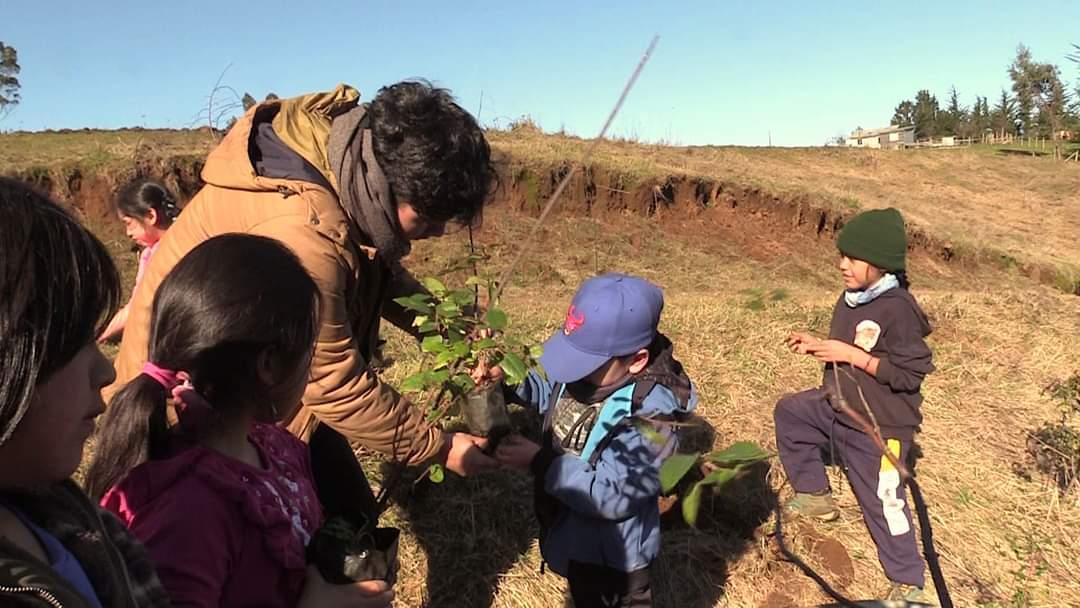
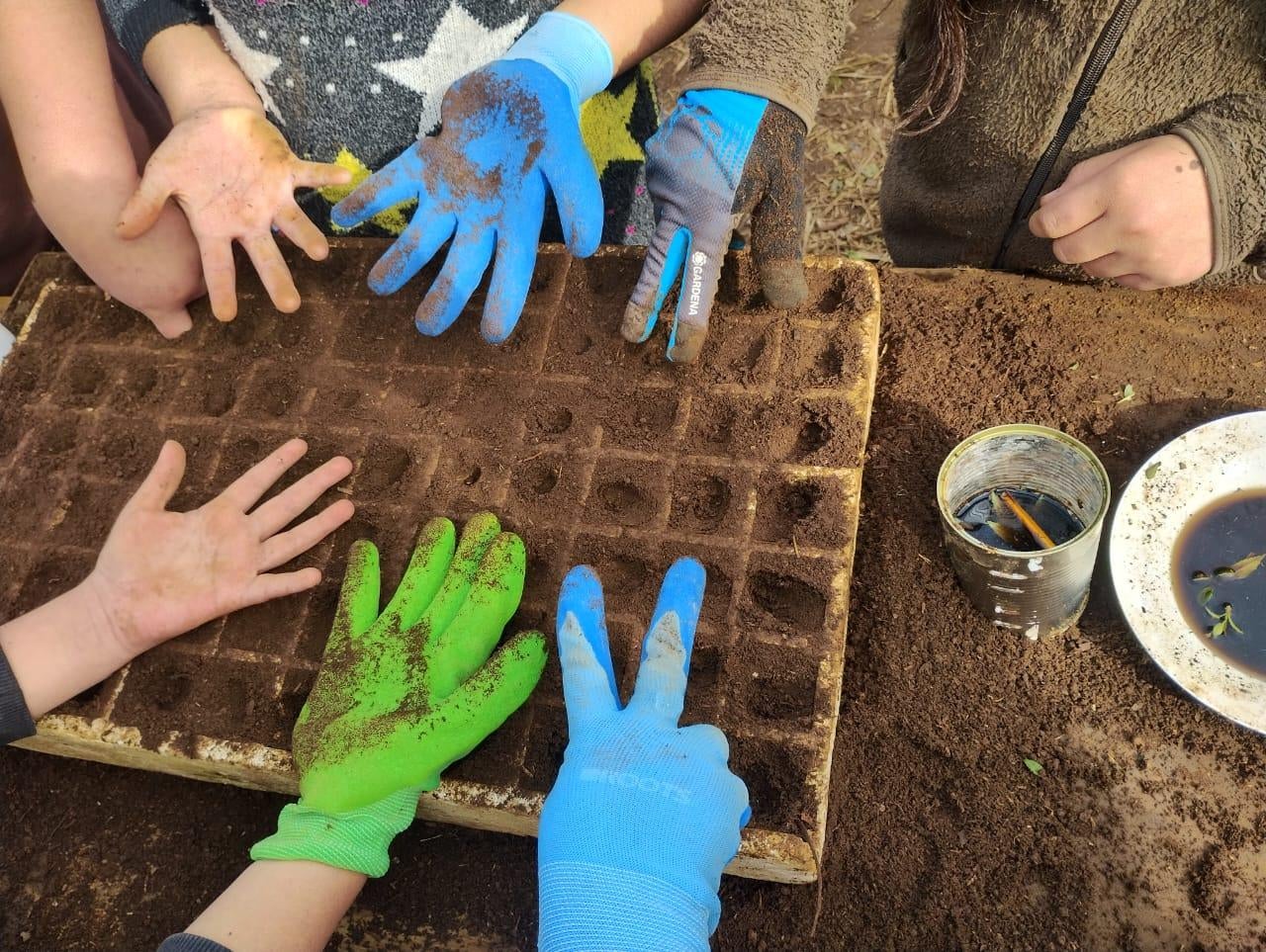
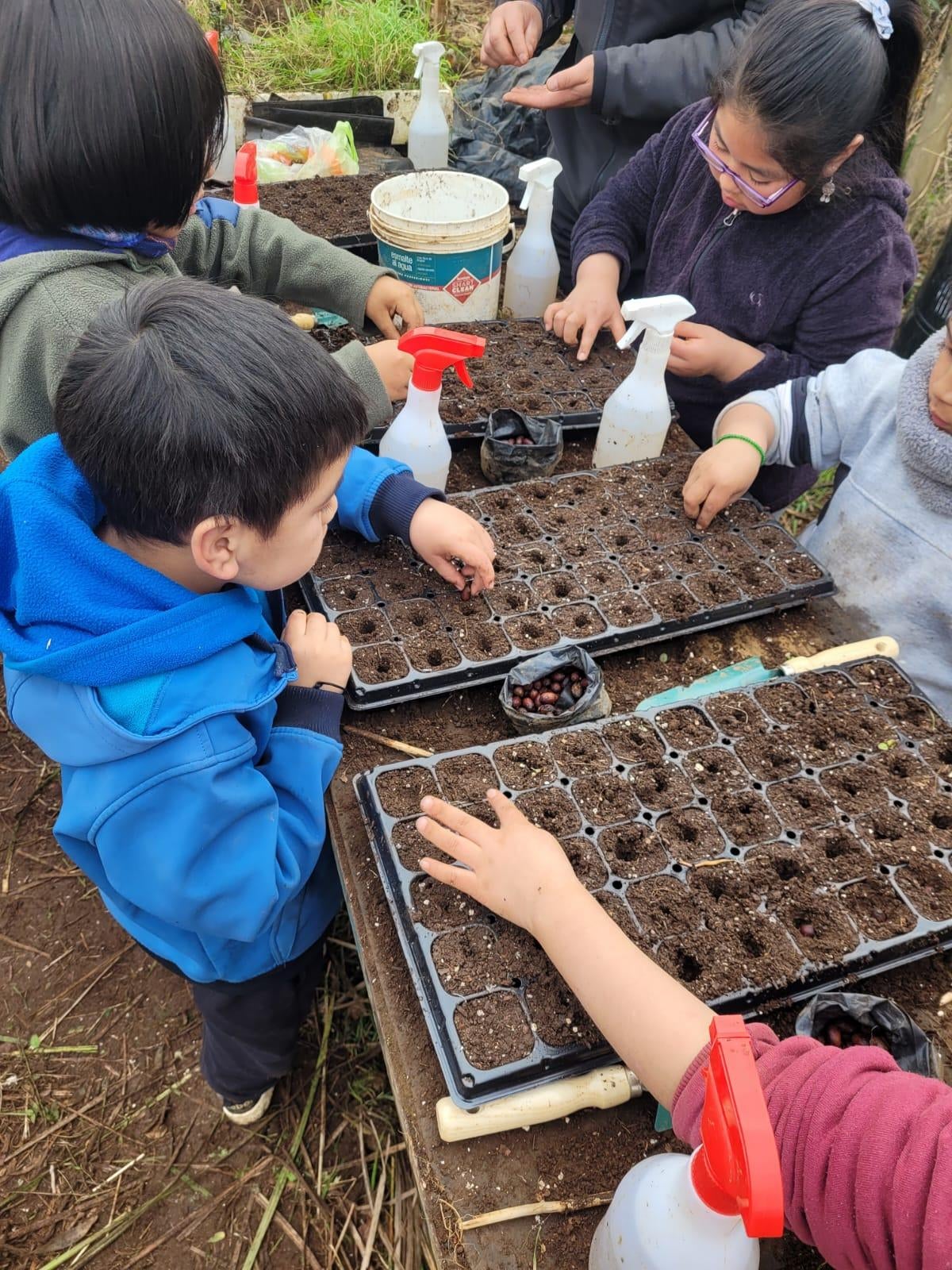
For the young Mapuche-Lafkenche women leaders, it was important to create spaces for the transmission of traditional knowledge and the legacy of nature to younger generations, who could also access the information stored in the archive. Therefore, workshops and training sessions were held for the children of the Mapuche community, funded by Cultural Survival Keepres of the Earth Fund. These were conducted at the community school's nursery, where work on the reproduction and care of native plants is done while simultaneously transmitting Mapuche cultural and environmental knowledge. The children not only learned to plant and care for native plants, but also, step by step, discovered the deep and respectful relationship their community maintains with the land, listening to stories, traditions, and teachings that strengthen their identity and connect them to the memory and history of their people.
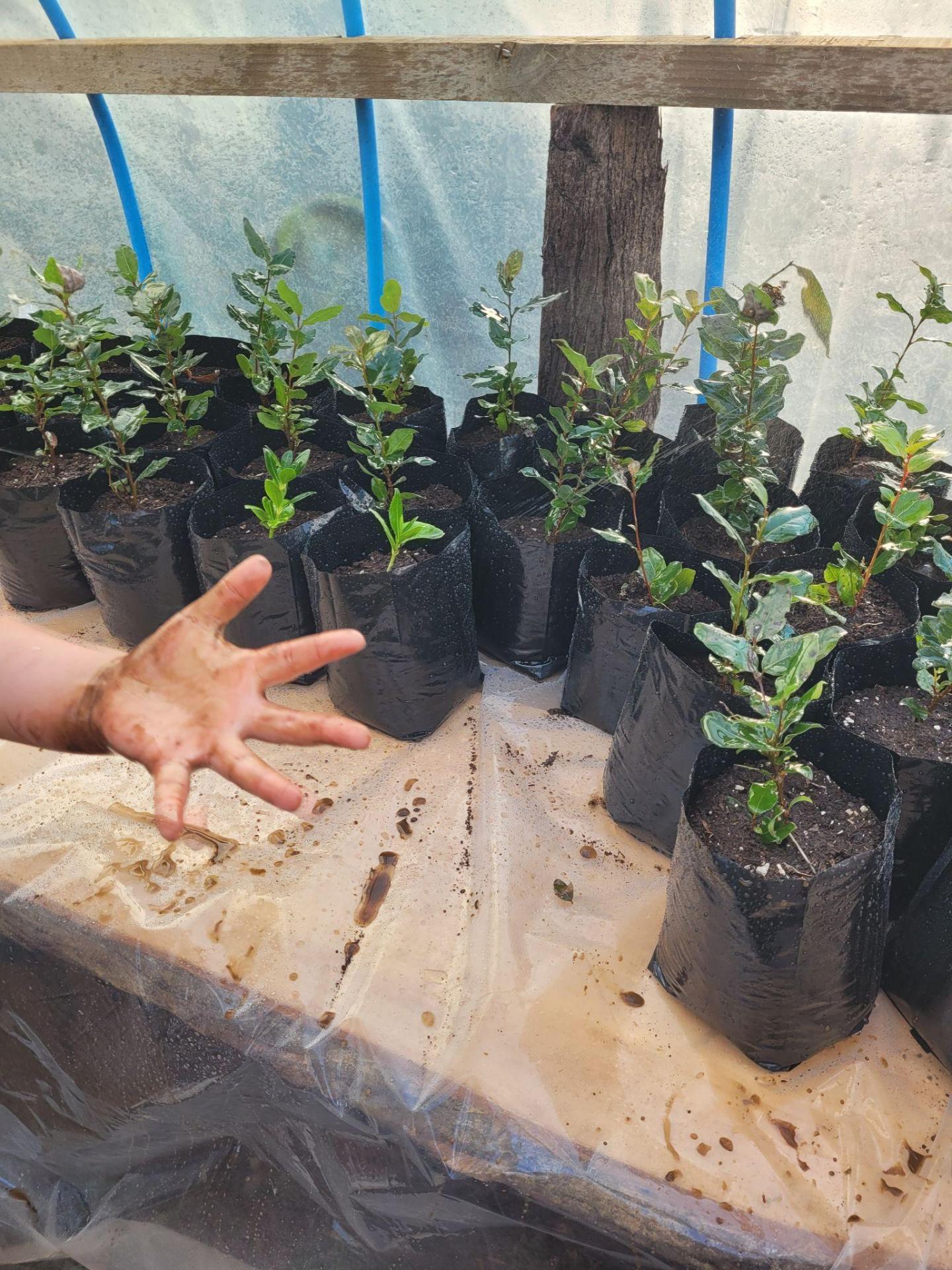
Budi Anumka has three community nurseries dedicated to the reproduction and preservation of hundreds of native plant species at risk, as well as those the communities themselves consider a priority to propagate, which are fundamental for the biocultural restoration of the territory. As a first step, the nursery was restored to provide the appropriate conditions for carrying out all the activities. Once the facilities were restored, introductory talks were given, and the process of seed germination, plant propagation by cuttings, transplanting, and potting of plants began, along with restoration in areas of biocultural significance within the lof (community), including orchards and vegetable gardens, under the premise of traditional and collective agriculture. Nursery activities were also carried out, during which the children put into practice the knowledge acquired in the talks, and conversations continued to raise awareness among the children of the importance of Mapuche botany.
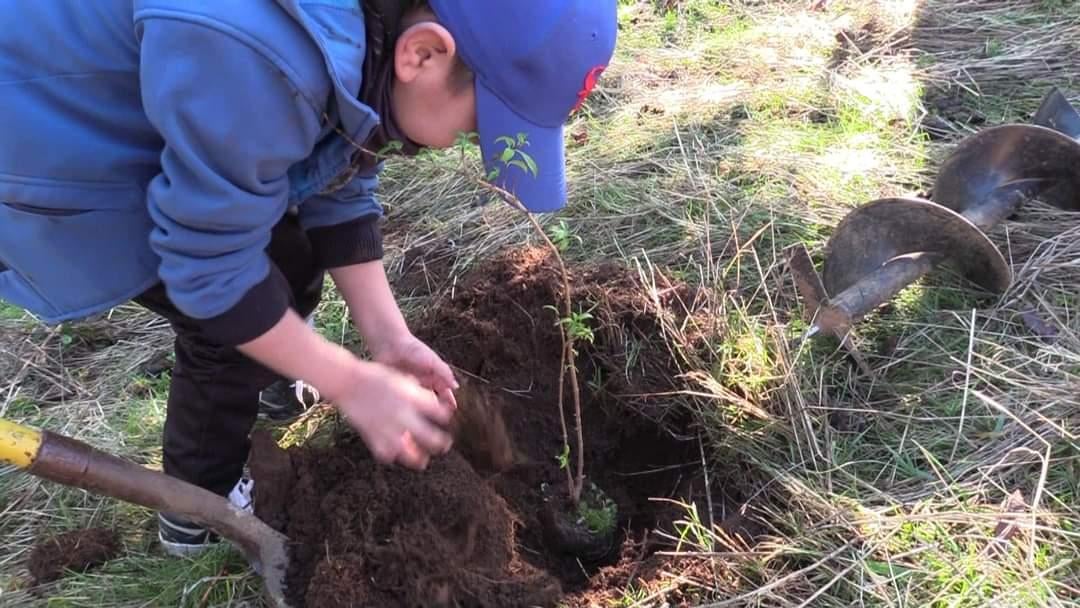
In line with this vision, the community archive, created to safeguard the territory's environmental, botanical, and cultural heritage on the communities' own terms, seeks to work in an integrated way with the nurseries. The idea is that the archive and the nurseries feed into each other: that the recorded knowledge guides the selection and propagation of species, and that the practices of cultivation, collection, and restoration continue to enrich the archive for future generations. Thus, the propagation of plants (such as maqui, boldo, matico, and murta) becomes a living way to preserve knowledge, restore the territory, and strengthen the Mapuche-Lafkenche way of life.
Similarly, in parallel, we worked together with teachers from a community school and an illustrator to design educational materials that introduce learning and connect students with the world of native plants while integrating them into the school curriculum. This material, in the form of a card game, was presented in all the school's classes, promoting student participation while developing their skills and abilities to recognize and remember local botanical knowledge and raising awareness about the risks these plants face. This game was also shared with other schools in the region, impacting more children and communities.
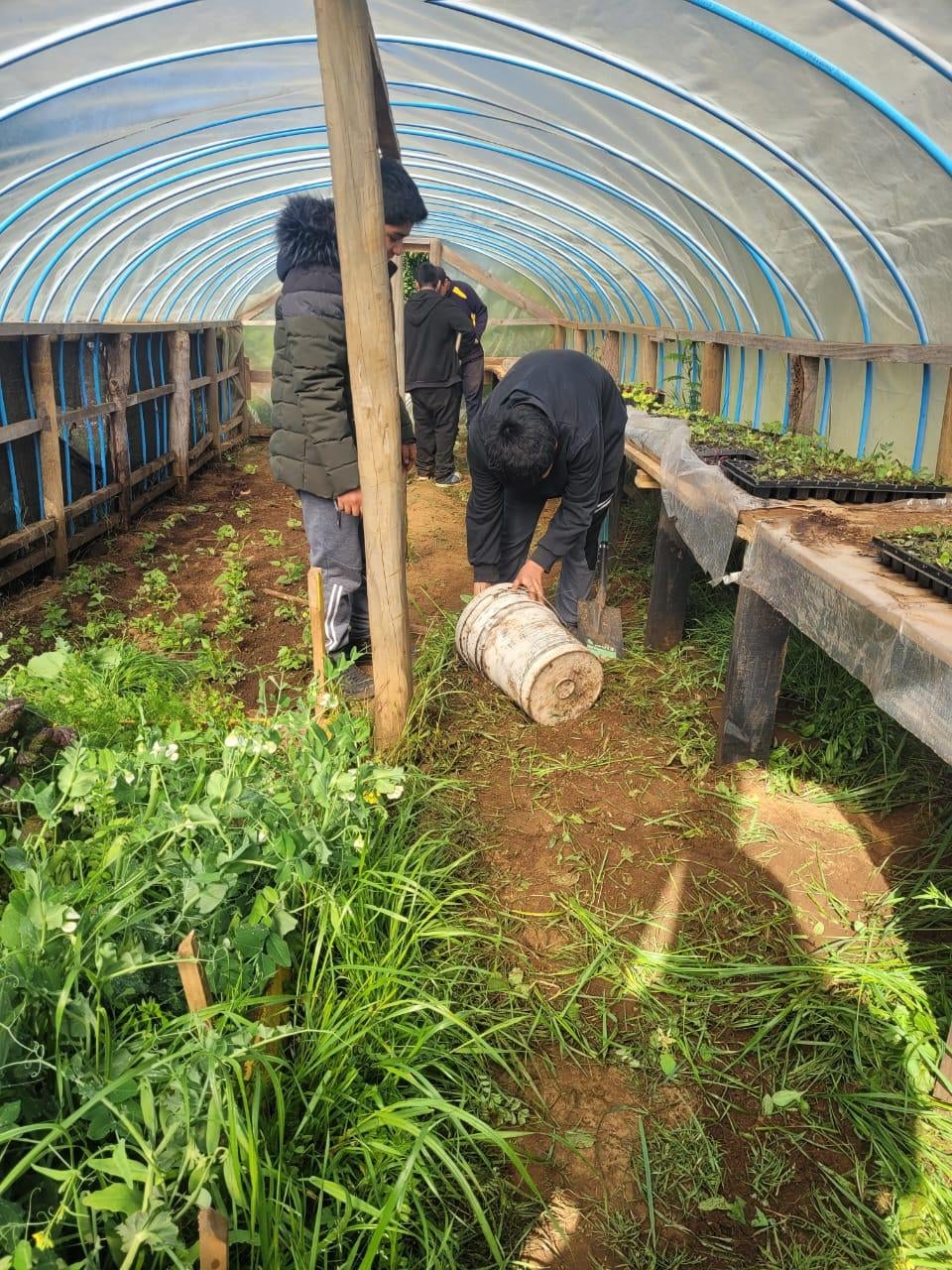
“We would always like to come to the nursery to work,” say students from the Kom Pu Lof School.
The Budi Anumka project is an example of the possibilities for transmitting knowledge and preserving culture among young people and children. The activities go beyond dialogue and put into practice dynamics that align with the interests of the youngest participants, while reflecting on important issues and keeping community values at the forefront.
This work also reminds us of something profound: when communities have the means to safeguard their own knowledge, they can protect not only their territory but also their worldview. The community archive, the nurseries, and the activities with the children form a living fabric of memory, care, and future. Every seed that germinates, every conversation between generations, and every journey around the lake is an act of resilience and cultural continuity. For those of us who support this process in solidarity, it is a privilege to witness how these efforts strengthen the autonomy of the communities and open pathways for their knowledge to continue flourishing for many generations to come.
In 2024, La Asociación Ambiental Budi Anumka received a Keepers of the Earth Fund (KOEF) grant to continue their work to establish a forest laboratory that integrates traditional Mapuche medicine. KOEF is an Indigenous-led fund within Cultural Survival designed to support the advocacy and community development projects of Indigenous Peoples. Since 2017, KOEF has supported 440 projects in 42 countries through small grants and a wrap-around approach totaling $2,667,147.