
Pular para o conteúdo principal

By Oliver Lopez

On a breezy morning in April 2025, after a long week of discussions at the 24th session of the UN Permanent Forum on Indigenous Issues, 32 delegates, Indigenous leaders, and Elders from around the world were invited by Comunidad Integradora de Saberes Andinos (CISA) and New York City’s Riverside Park Conservancy to gather at the Riverside Park Bird Sanctuary. 
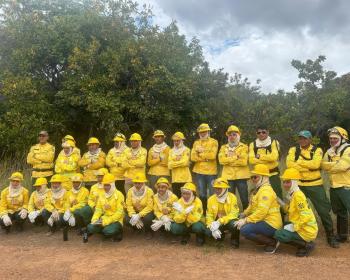
Although rainforests cover only 6% of the Earth, they harbor over half of its plant and animal species. These vital, biodiverse regions regulate the global climate by collecting carbon and producing oxygen. For millions of Indigenous Peoples, rainforests are homelands, providing food, medicine, and cultural identity. Indigenous Traditional Ecological Knowledge is crucial for forest sustainability and environmental resilience.

By Ella Nathanael Alkiewicz (Labrador Inuk)

Five percent of Canada’s total population is Indigenous. Canadian Inuit, First Nations, and Métis are living, working, buying, and being alongside settlers, four-leggeds, winged-ones, and fins with the flora and fauna. 

Over the past six months, Indigenous journalist Brandi Morin has travelled repeatedly to Ecuador, reporting on the impact of Canadian mining projects on the Indigenous Peoples who live there. In February, she spent time with the Shuar people, whose ancestral territory is threatened by a Solaris Resources copper mining project.

By Brandi Morin (Iriquois, Cree)

By Verónica Aguilar (Mixtec, CS Staff)

On May 22,  the International Day for Biological Diversity, Cultural Survival presents the practice of chaku, or vicuña wool harvesting, in the La Angostura area of ​​Catamarca Province in Argentina. Chaku is an economic and cultural activity that promotes the conservation of nature on Indigenous lands.

​​By Esther Mwangaza

The Lemera cluster in the Democratic Republic of Congo is rich in cassiterite, a valuable mineral used in the global electronics industry. However, the pursuit of this mineral has led to conflicts with the ancestral land rights of Indigenous Pygmy communities. Mining operations have displaced many Pygmy families from their farmlands and cassava fields without consultation, leaving them without sustainable livelihoods and access to natural resources like water wells and sacred sites.

Inscrever-se em Lands, Resources, and Environments