
By CS Staff
Land tenure insecurity for Indigenous Peoples in Paraguay has recently been exacerbated by the ineffectiveness of the very institutional mechanisms that should protect their right to land. In November 2025, Cultural Survival, along with the Paĩ Reta Joaju and Paĩ Jopytyra associations, which represent several communities of the Paĩ Tavyterã people, submitted a stakeholder report for Paraguay's Universal Periodic Review, scheduled to take place in May 2026.
In mid-September, for 12 days, Indigenous Peoples of Paraguay protested against the closure of the headquarters of the Paraguayan Indigenous Institute (INDI) in Asunción, which would negatively affect the land demarcation processes of several communities. These processes are already delayed in many cases and face endless difficulties due to a lack of political will. Indigenous Peoples also demanded the dismissal of the president of the Paraguayan Indigenous Institute and an increase in the institution's budget to allow for the legalization of Indigenous lands.
As a result of the protests, the president of INDI was dismissed and Hugo Samaniego took over the position on October 6, 2025, promising to resume INDI's headquarters in Asunción. Despite this change in leadership, it remains to be seen whether the institution's working methods will also undergo changes that will result in serious progress in the titling of Indigenous lands in the country.
The report by Cultural Survival and the Paĩ Reta Joaju and Paĩ Jopytyra associations focuses on the specific case of the Paĩ Tavyterã Indigenous communities in the departments of Amambay, Concepción, and Canindeyú, but it exemplifies a pattern of rights violations faced by many other peoples in the country. These Paĩ Tavyterã communities face systematic violations of their land rights in several areas of the land. More than 22 communities are still waiting for their land demarcation. Many of them have had open cases before the Paraguayan Institute for Indigenous Affairs (INDI) for years, without effective resolution. This delay constitutes a serious violation of land rights enshrined in national and international norms.
The case of Yvy Pyte is particularly alarming. Certain areas of this community’s land that already have a title issued in the name of INDI, in favor of the community, have been invaded. Complaints have been filed with the Public Prosecutor's Office, but effective protection and due process for the community's claims have not been guaranteed. In April 2025, the Public Prosecutor's Office conducted an intervention in the community to obtain information about the invasions, but no progress has been made in the investigation.
In the same community of Yvy Pyte, a judicial process with the purpose of demarcating and protecting the community’s land is pending. The community has expressed concern about the closure of the technical stage, as INDI does not offer the necessary guarantees to complete the process.
Due to the illegal occupation of their lands, the communities have faced several attacks. In July 2023, armed invaders fired shots into the air in the ancestral territory of the Paĩ Tavyterã people. This incident put the physical integrity of children and adults at risk, creating a climate of fear and anxiety in the communities. The most serious episode of persecution took place on October 22, 2023, with the murder of Arnaldo Benítez Vargas, spiritual leader (tekoaruvicha) of the Yvy Pyte community.
A year earlier, on October 23, 2022, Alcides Morilla Romero, political and religious leader of the Jasuka Venda community, was murdered alongside his secretary, Rodrigo Gómez González, in Jasuka Venda, Amambay. Both died in the context of the conflict between the armed group Paraguayan People's Army (EPP) and the Joint Task Force (FTC), a Paraguayan state unit that combats criminal groups. To date, none of these crimes have been solved.
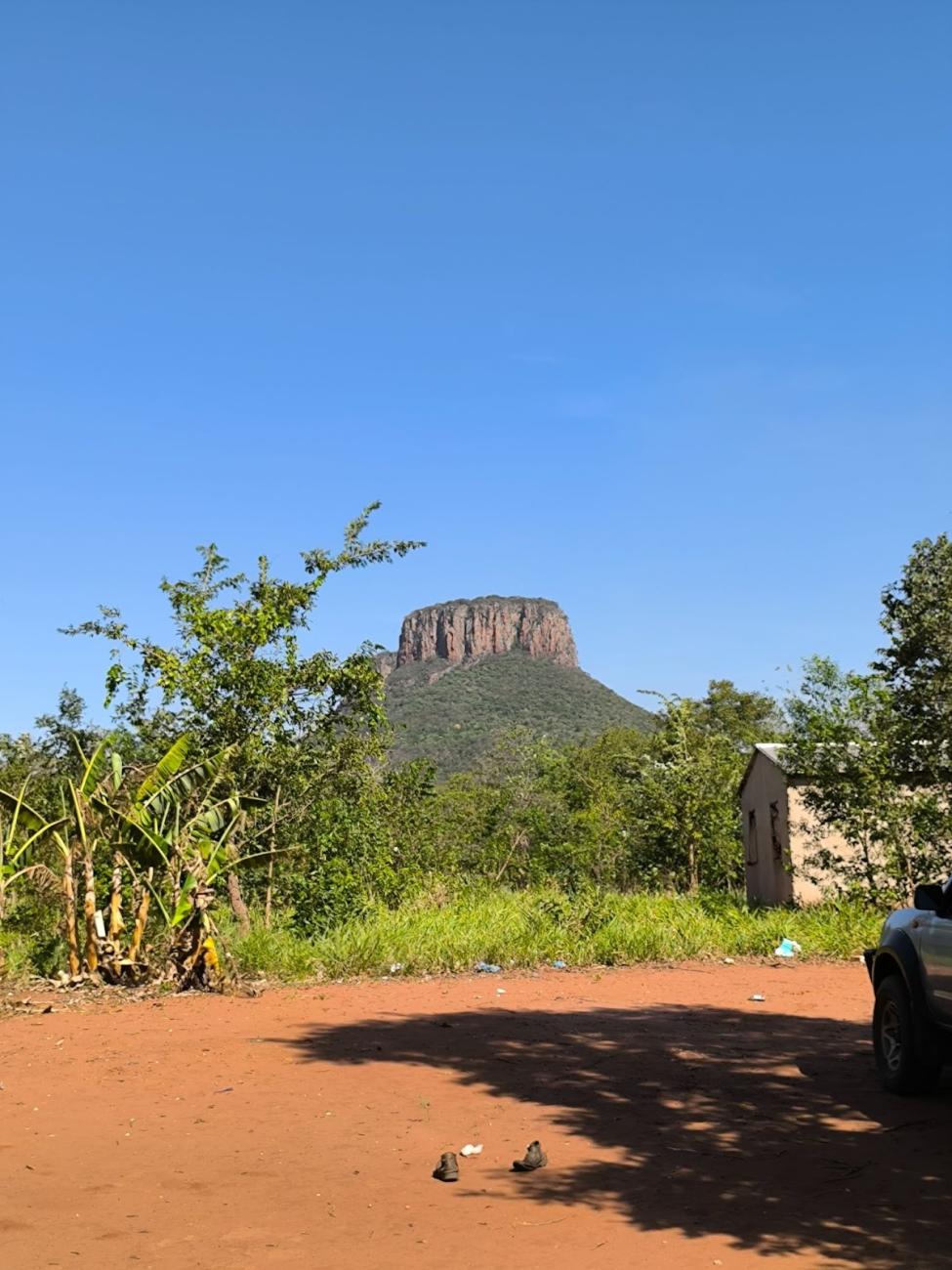
Jasuka Venda, the main spiritual site of the Paĩ Tavyterã people, recognized as sacred territory and declared a Natural and Cultural Heritage Site of the Nation, also faces threats. The communities have requested that their protection be guaranteed, that armed conflicts in the area be ended, and that the establishment of illegal marijuana plantations on the sacred hill be prevented. To date, no effective measures have been taken, nor have any security guarantees been provided.
Despite having incorporated international obligations to respect the right to Free, Prior and Informed Consent, in practice, this right continues to be ineffective due to structural deficiencies, as it depends on the INDI. This situation compromises the guarantee of the right enshrined in Law No. 234/93 and highlights the urgent need to strengthen the institutions responsible for coordinating consultation processes in accordance with international standards.
The Indigenous communities of the Paĩ Tavyterã people also face a situation of structural vulnerability that seriously affects their access to basic rights such as health and education. In contexts of territorial violence, shortages of medical supplies, lack of adequate transportation, and institutional discrimination limit effective access to health services, putting the lives and integrity of Indigenous families at risk. In Yvy Pyte, the community's elementary school, located within the invaded territory, has also been severely affected, and insecurity has drastically reduced school attendance.
At the same time, Indigenous youth are particularly affected by the lack of opportunities. Difficulties in accessing formal education, obtaining legal documentation, and strengthening the transmission of ancestral knowledge undermine their comprehensive development and active participation in community life.
In our report, we urge Member States to make the following recommendations to Paraguay during its Universal Periodic Review session:
- Urgently strengthen the operational and legal capacity of the Paraguayan Institute for Indigenous Affairs (INDI), ensuring its effective intervention in land defense processes. This includes the obligation to provide legal representation in civil trials, follow up on open cases, and respond in a timely manner to requests submitted by Indigenous communities.
- Take immediate measures to protect Indigenous land that has already been demarcated from illegal occupation, including enforcement actions, land restitution, and security guarantees for affected communities.
- Allocate sufficient financial, technical, and human resources to the Paraguayan Institute for Indigenous Affairs (INDI) to ensure the effective demarcation of Indigenous lands, including surveying, titling, and legal defense.
- Effectively enforce current regulations recognizing Jasuka Venda as ancestral territory and Natural and Cultural Heritage, adopting concrete measures for its protection against illegal activities, armed threats, and territorial dispossession in direct coordination with the traditional authorities of the Paĩ Tavyterã people.
- Ensure investigations into the murders of Indigenous defenders of the Paĩ Tavyterã people, guaranteeing justice, punishment for those responsible, and reparations for the affected communities.
- Adopt urgent protective measures for Indigenous leaders and communities in areas of territorial conflict, including security protocols and inter-agency coordination.
- Ensure that the process of Free, Prior and Informed Consent is binding and structured in accordance with the right of Indigenous Peoples to self-determination and their substantive participation in decision-making. This process must be convened and carried out in direct coordination with the traditional authorities legitimately recognized by the communities, ensuring that its design, implementation, and timing respond to the communities' own forms of collective deliberation.
- Emphasize urgent measures that guarantee Indigenous populations' access to the right to health, overcoming discriminatory practices, shortages, and transportation difficulties, especially in contexts of violence and lack of protection.
- Guarantee the rights of Indigenous youth to access education, legal documentation, and the intergenerational transmission of their knowledge, ensuring real conditions for their full exercise and active participation in community life.